
Conveyancing across West Berkshire
Conveyancing Solicitors in West Berkshire
One of the first things we establish on a West Berkshire property is whether the title is registered. Where it is not, that single fact changes the document set, the timetable and the fee.
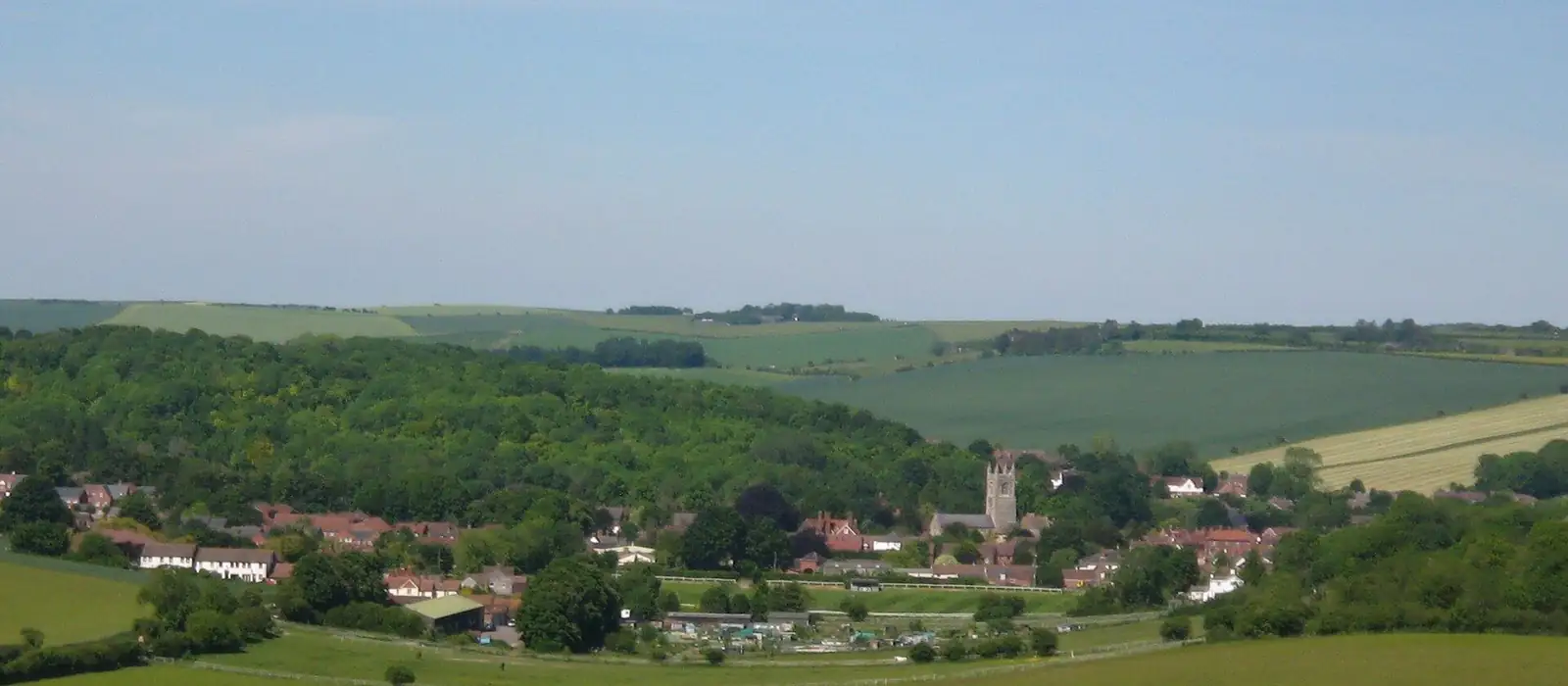
Photo: Lambourn and the downs, West Berkshire. Philip Jelley, CC BY-SA 3.0, via Wikimedia Commons
Quick answer
What documents are needed for conveyancing on a West Berkshire property with land?
You will need identification and source of funds evidence, plus relevant deeds, planning paperwork and details of drainage, water supplies and access arrangements. J Scott & Co Solicitors first needs the property address to check registration status, with original title documents required if the land is unregistered.
West Berkshire Council covers Newbury, Thatcham, Hungerford, Pangbourne, Lambourn and the villages between them. One authority across a large area, and a stock profile that can produce a different set of questions from the towns in the east of the county.
Below is what a property here may need beyond a standard purchase, and why each item matters.
Evidence of title, where the land is unregistered
What we need: the original deeds, the abstract of title, and any statutory declarations about occupation and use.
Why it matters: with no register, ownership is proved from the deeds themselves. The purchase triggers first registration at HM Land Registry, which is additional work and carries an additional fee. Our published charge for an unregistered property is £250 plus VAT.
Unregistered title is not a defect. It does mean boundaries and rights have to be established from documents rather than read off a plan.
Drainage and water, where there is no mains connection
What we need: the drainage and water search, evidence of what the property actually connects to, and for a septic tank or treatment plant, evidence that it complies with the rules that currently apply.
Why it matters: a buyer's lender will ask, and a non-compliant system can become the buyer's problem after completion. Where the supply is private, a borehole or spring, we also need to know who maintains it and on what basis.
This is the item most likely to surprise a buyer moving out from one of the towns. A mains connection is an assumption, not a given.
Rights of way, both ways
What we need: the title plan, the register entries for easements, and confirmation of how access is used in practice.
Why it matters: two separate questions. Whether you rely on a right over someone else's land to reach the property, and whether someone else has a right over yours. Both appear on the register where they are registered. Where access has been used for years without being recorded, that is a weaker position and needs addressing before exchange.
On land with outbuildings or fields, access to the far part of the holding is frequently the issue rather than access to the house.
Anything that restricts how the property can be used
What we need: the planning history from the local authority search, and any consent, agreement or condition attaching to the property.
Why it matters: an occupancy condition can restrict who is permitted to live in a property. A restrictive covenant may limit what can be built or run from it. Neither prevents a sale, and both change what you can do with what you have bought.
Where the property includes stables or outbuildings, we check what consent they hold, because a building permitted for one use may not lawfully be used for another.
What the buildings themselves add
What we need: building regulations completion certificates and planning consents for any work, and for a listed building, evidence of listed building consent.
Why it matters: the district contains a proportion of period and listed stock. Work carried out to a listed building without the required consent is a more serious position than missing building regulations sign-off on an ordinary house, and it is worth establishing early what consents exist.
The order to send them in
- The address, so we can establish whether title is registered before quoting
- Identity and source of funds documents
- Deeds, if the title is unregistered, because they take longest to locate
- Any planning consents or certificates you hold
- Anything you have about drainage, water supply or shared access
Steps three and five involve other people. They come before the paperwork you can produce yourself.
Get a fixed-fee quote
Call 01628 777233 or email enquire@jscottlegal.co.uk with the address and whether the property includes land. Published fees start at £1,000 plus VAT freehold up to £500,000, with £250 plus VAT added where title is unregistered. Full schedule on the fixed-fee quote page.
For the county overview and which authority covers which town, see our Berkshire conveyancing page.
Frequently asked questions
How much does conveyancing cost for a West Berkshire property?
Published conveyancing charges begin at £1,000 plus VAT for freehold properties valued up to £500,000. An unregistered title attracts a further £250 plus VAT. To request a fixed fee quote, provide the address and confirm whether land is included.
Does an unregistered title mean something is wrong with the property?
An unregistered title is not itself a defect, but ownership must be demonstrated through deeds rather than an existing register. The documents needed include original deeds, an abstract of title and any statutory declarations concerning occupation or use. Buying the property triggers its first registration with HM Land Registry.
What checks are needed for private drainage or a private water supply?
Checks cover the drainage and water search, the property's actual connections and evidence that any septic tank or treatment plant meets the applicable rules. For water supplied by a spring or borehole, responsibility for maintenance and the arrangements supporting it also need checking.
Why do access rights matter when buying land or outbuildings?
Checks need to establish both your rights to cross neighbouring land and other people's rights to cross yours. For a holding with fields or outbuildings, access to its more distant areas can matter as much as access to the house. Longstanding access that has not been recorded needs addressing before contracts are exchanged.
Could restrictions affect how I use the property or its outbuildings?
Occupancy conditions can limit who may live there, while restrictive covenants can constrain building work or activities at the property. Consents for stables and other outbuildings also need checking, because permission for one purpose does not necessarily allow another.
What Our Clients Say
Verified reviews from real property transactions
“It is always stressful selling a house, and that is why you need to be in safe, steady hands - Sophie made the whole process very smooth - we had everything together, fast, making sure we were never the block in the chain - I would recommend her to anyone, and I will be using her services again if ever I needed! Thank you so much Sophie”
Kate Lineham · November 2026
“This was my first time buying a house, and I had a very good experience with Naz and the team at J Scott. Everything went smoothly from start to finish. Naz kept me updated regularly throughout the process and answered all of my questions and enquiries quickly and clearly, which made the whole experience much less stressful.”
Muhamamd · July 2026
Reviews from ReviewSolicitors, an independent review site for law firms.
Speak to us today
Fixed Fee conveyancing, a named solicitor, 20+ Years Experience. SRA regulated and CQS Accredited.
Send us an enquiry
Tell us what you need and we will call you back. Or call 01628 777233.